Linen Curtain Care Made Easy, Washing, Ironing, and Styling Tips for Irish Homes
Natural linen has become one of the most popular window treatments for modern Irish homes. Its breathable texture, understated elegance and relaxed finish work beautifully in everything from traditional cottages to contemporary new builds.
Linen curtains are a perfect way to add style to any home. However, many homeowners wonder how to care for linen properly without causing shrinkage, creasing, or damage.
In this guide, we'll explain exactly how to clean, dry, iron, and style your curtain while sharing practical advice from the experts at The Blind Store in Limerick.
Why Is Linen Such a Popular Choice for Irish Homes?
Linen has been used in home furnishings for centuries, and its popularity continues to grow because it offers a rare balance of beauty, practicality and natural character.
Unlike synthetic fabrics, linen is made from natural flax fibres, giving every curtain its own distinctive texture and relaxed appearance.
Many homeowners in Limerick choose linen because it complements Ireland's natural light beautifully while creating a warm, inviting atmosphere.
How Should You Wash a Linen Curtain?
Proper washing begins before your curtains ever reach the washing machine.
Always check the manufacturer's care label first. Some lined, interlined or bespoke curtains may require professional cleaning rather than machine washing.
Check the Care Label First
Different linen blends require different treatment, particularly where lining materials, dyes or blended fibres are involved.
Look for guidance covering:
- Water temperature
- Machine washing suitability
- Ironing recommendations
- Dry cleaning advice
Following these instructions is the safest way to prevent shrinkage, distortion or colour fading.
Use Cold or Lukewarm Water
Linen responds best to cooler wash temperatures.
- Use cold water whenever possible.
- Keep lukewarm washes below 30°C.
Excessive heat can cause natural flax fibres to contract and may alter the shape of your curtain panels.
Choose a Gentle Cycle
Select a delicate or gentle programme on your washing machine. This reduces unnecessary friction and helps preserve the natural weave of the fabric.
Avoid high-speed spin cycles wherever possible, as they can create deeper creases.
Use a Mild Detergent
A gentle liquid detergent is usually the best choice for natural linen.
Avoid products containing:
- Bleach
- Harsh stain removers
- Optical brighteners
- Heavy biological detergents
Less is often more with linen. Using too much detergent can leave residue trapped within the weave, making the fabric feel stiff rather than soft and relaxed.
Don't Overload the Washing Machine
Linen needs room to move. Packing too many items into one wash increases creasing and makes it harder for water and detergent to move evenly through the fabric.
For particularly large curtains, washing each panel separately is often the better option.
How Should You Dry a Linen Curtain?
Drying is just as important as washing. In fact, many stubborn wrinkles are created during incorrect drying rather than during the wash itself.
Air Dry Whenever Possible
The best approach is to hang your curtains shortly after washing and allow them to dry naturally.
Air drying helps to:
- Reduce deep creasing
- Maintain the curtain's natural shape
- Protect delicate natural fibres
Avoid leaving coloured linen in intense direct sunlight for long periods, as prolonged UV exposure may gradually fade the fabric.
Should You Use a Tumble Dryer?
Most linen curtains are better air dried where possible.
If the manufacturer's care label allows tumble drying, use the lowest suitable heat setting and remove the curtains while they are still slightly damp.
- Choose the lowest heat setting.
- Remove panels before they are completely dry.
- Hang them immediately afterwards.
What's the Best Way to Iron a Linen Curtain?
Wrinkles are part of linen's relaxed character, but that doesn't mean your curtains have to look overly creased.
Iron While Slightly Damp
Linen is easiest to iron while a small amount of moisture remains in the fabric. The moisture helps stubborn creases relax more easily under heat.
Use Medium Heat and Steam
Most modern irons include a dedicated linen setting. If yours doesn't, choose a medium heat and use the steam function where appropriate.
- Medium heat
- Steam enabled
- Slow, even passes across the fabric
Iron the Reverse Side
If your curtain features embroidery, decorative stitching or delicate surface detailing, ironing from the reverse side helps protect the finish.
For extra protection, place a clean cotton cloth between the iron and the curtain.
How Can You Keep Curtains Looking Fresh Between Washes?
One of the best ways to protect linen is simply to avoid washing it more often than necessary.
A few simple habits can make a big difference:
- Vacuum gently using a soft brush attachment.
- Shake curtains outdoors occasionally.
- Open windows regularly to improve ventilation.
- Remove dust before it becomes embedded in the weave.
- Treat accidental marks promptly.
Regular light maintenance keeps your curtains looking fresh while reducing unnecessary wear from repeated washing.
What Are Our Best Styling Ideas?
Linen's versatility is one of its biggest advantages. It can feel soft and traditional, minimalist and architectural, or relaxed and luxurious depending on how it is styled.
Allow the Curtains to Puddle Slightly
Allowing a small amount of fabric to rest naturally on the floor creates a relaxed, luxurious appearance.
This works particularly well in:
- Bedrooms
- Sitting rooms
- Reading spaces
Layer with Sheer Curtains
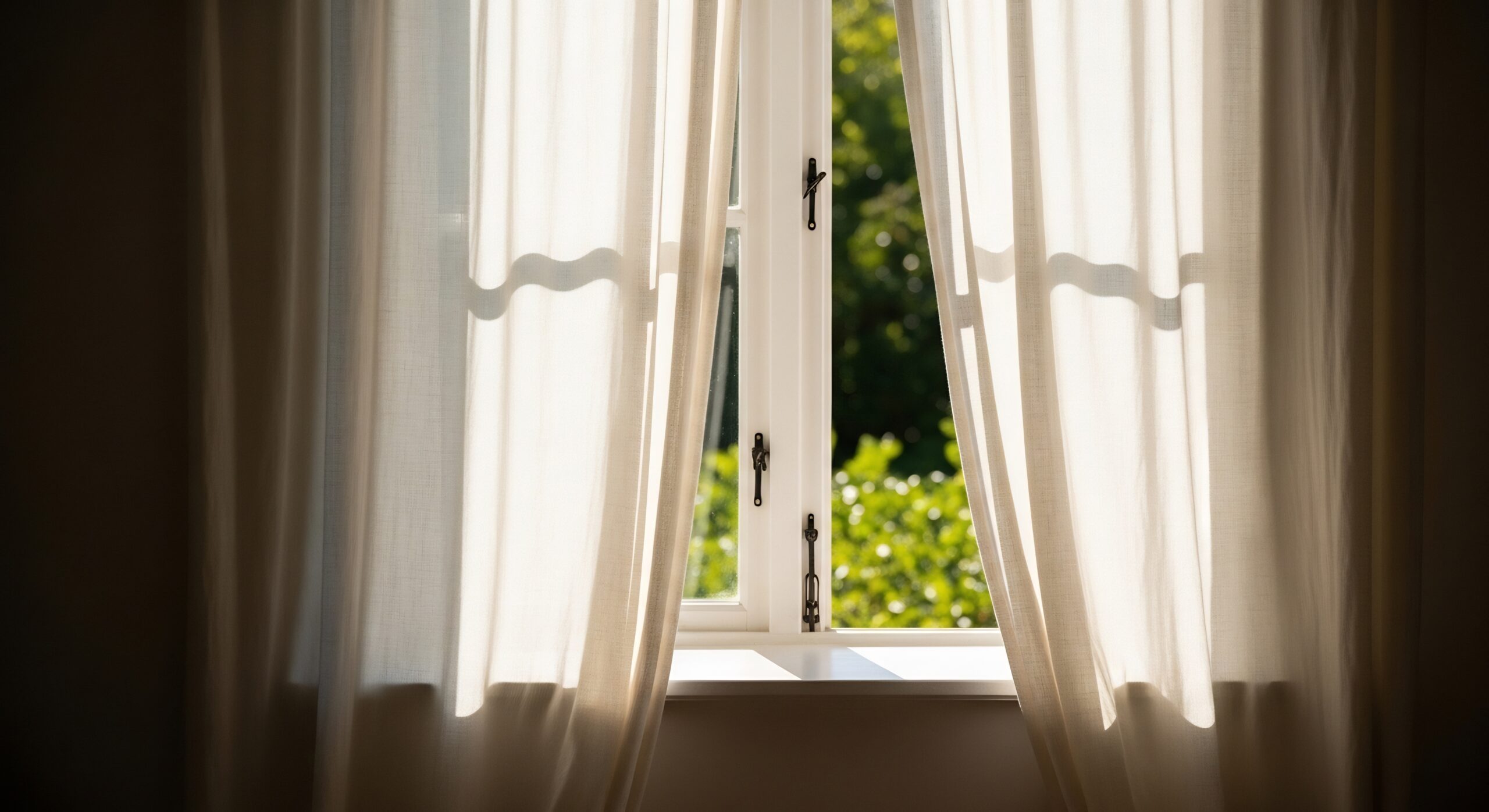
Pairing linen with sheer voile panels creates a softer transition between daylight and privacy while adding depth to the window.
For inspiration, explore The Blind Store's Sheer Voile Curtains .
Use Curtain Rings
Curtain rings create attractive, relaxed folds while allowing panels to glide smoothly along the pole.
They can also make removing your curtains for cleaning considerably easier.
Combine Linen with Blinds
Layering curtains with blinds is increasingly popular because it combines the softness of fabric with better insulation, privacy and light control.
Popular combinations include:
- Roller blinds with linen curtains
- Roman blinds with decorative side panels
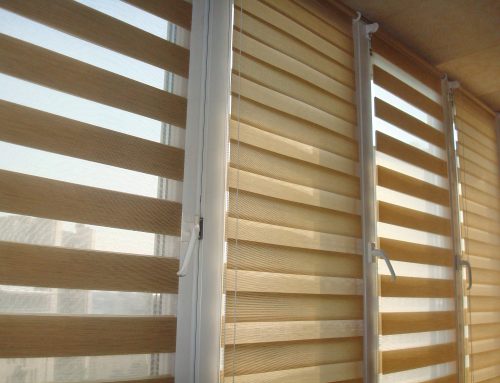
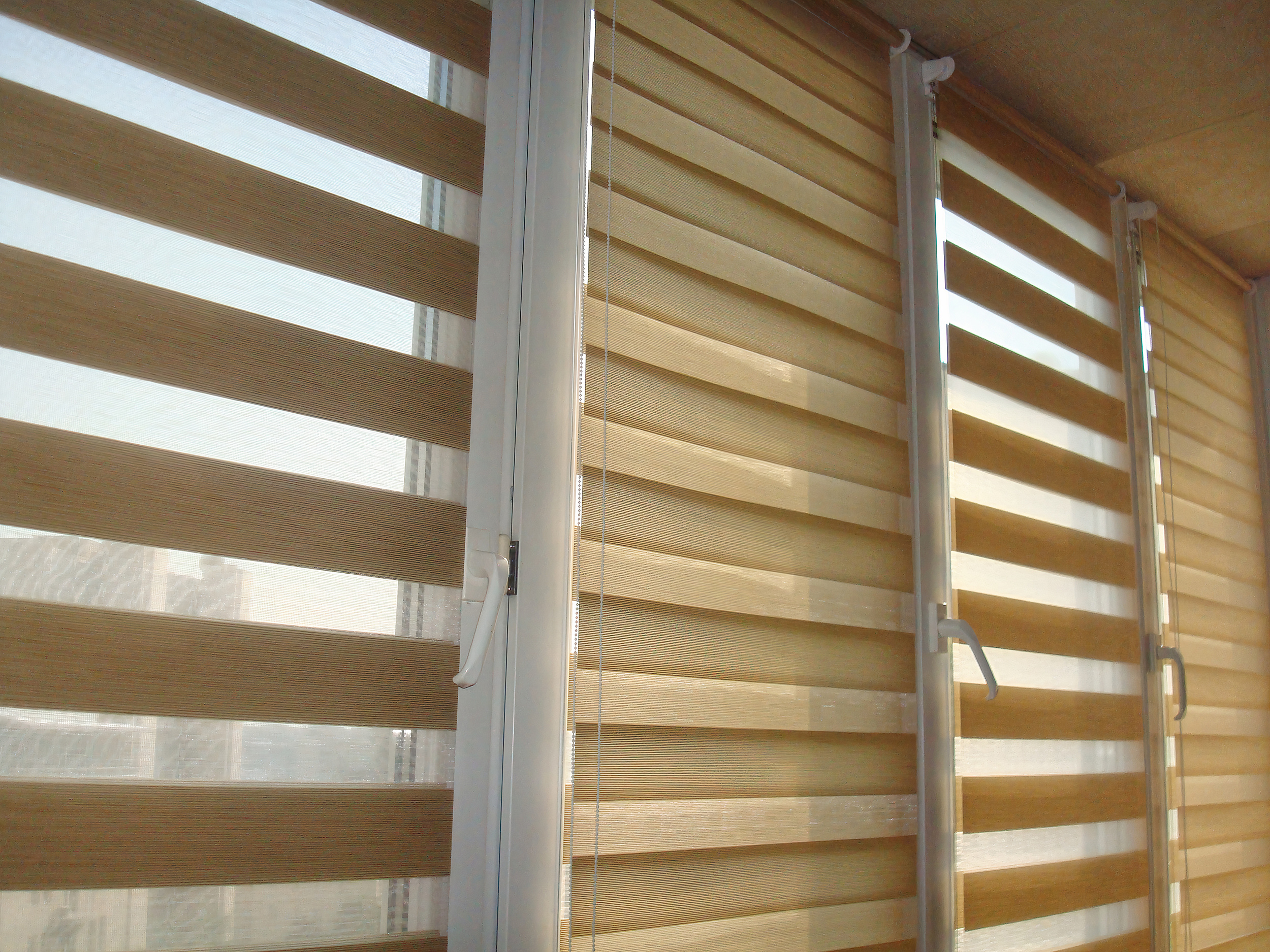
- Day and Night blinds for flexible light control
- Plantation shutters with soft linen curtains
Why Choose The Blind Store?
The Blind Store has been helping homeowners transform their interiors since 2008, offering expert advice, professional measuring and installation services from the largest blinds showroom in Limerick.
The team specialises in blinds, shutters, curtains, flooring and complete interior window solutions, bringing together more than 80 years of combined experience.
Whether you're choosing premium linen curtains, bespoke blinds or a layered window treatment, our experienced team can help you create a finish that works beautifully in your home.