Best Blinds for Kitchens: Easy-Clean & Practical Window Solutions
Kitchen blinds have a tougher job than window coverings in most other rooms. They need to handle moisture, cooking residue, changing temperatures and frequent cleaning while still providing privacy and controlling natural light.
For most kitchens, the best blinds for kitchens are easy-clean options made from moisture-resistant materials, such as aluminium or faux-wood Venetian blinds and suitable roller blinds. The right choice depends on where the window sits, how much cooking takes place nearby and whether privacy, glare control or simple maintenance matters most.
Here is what to consider before choosing kitchen blinds, along with the options that tend to work best in busy homes.
If practicality is the priority, choose a blind that has a wipe-clean surface, resists moisture and does not absorb cooking smells or grease easily.
Which Blinds Work Best In A Kitchen?
Some of the most suitable choices include:
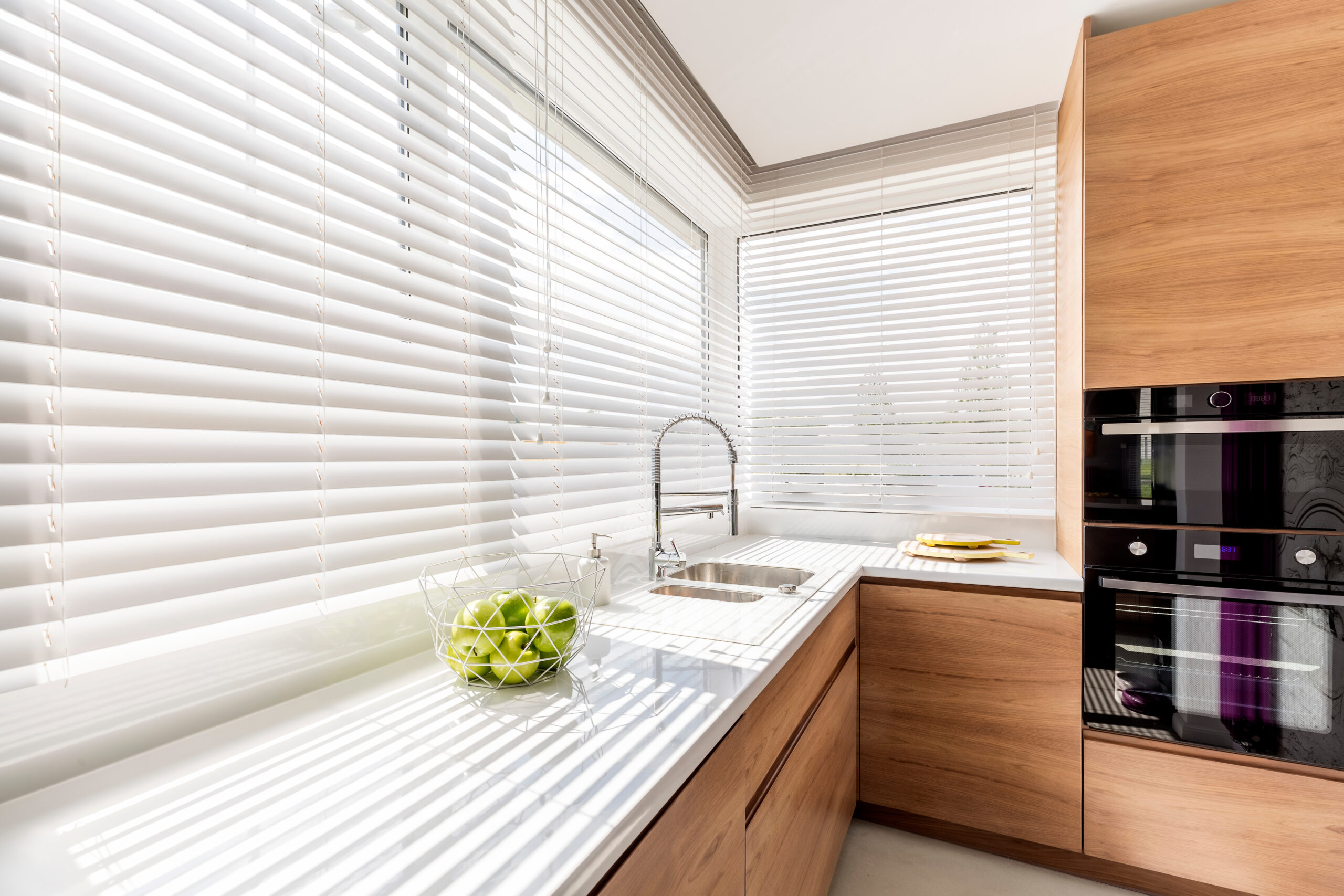
- Aluminium Venetian blinds for excellent light control and straightforward cleaning
- Faux-wood Venetian blinds for a warmer appearance without the moisture sensitivity associated with some natural materials
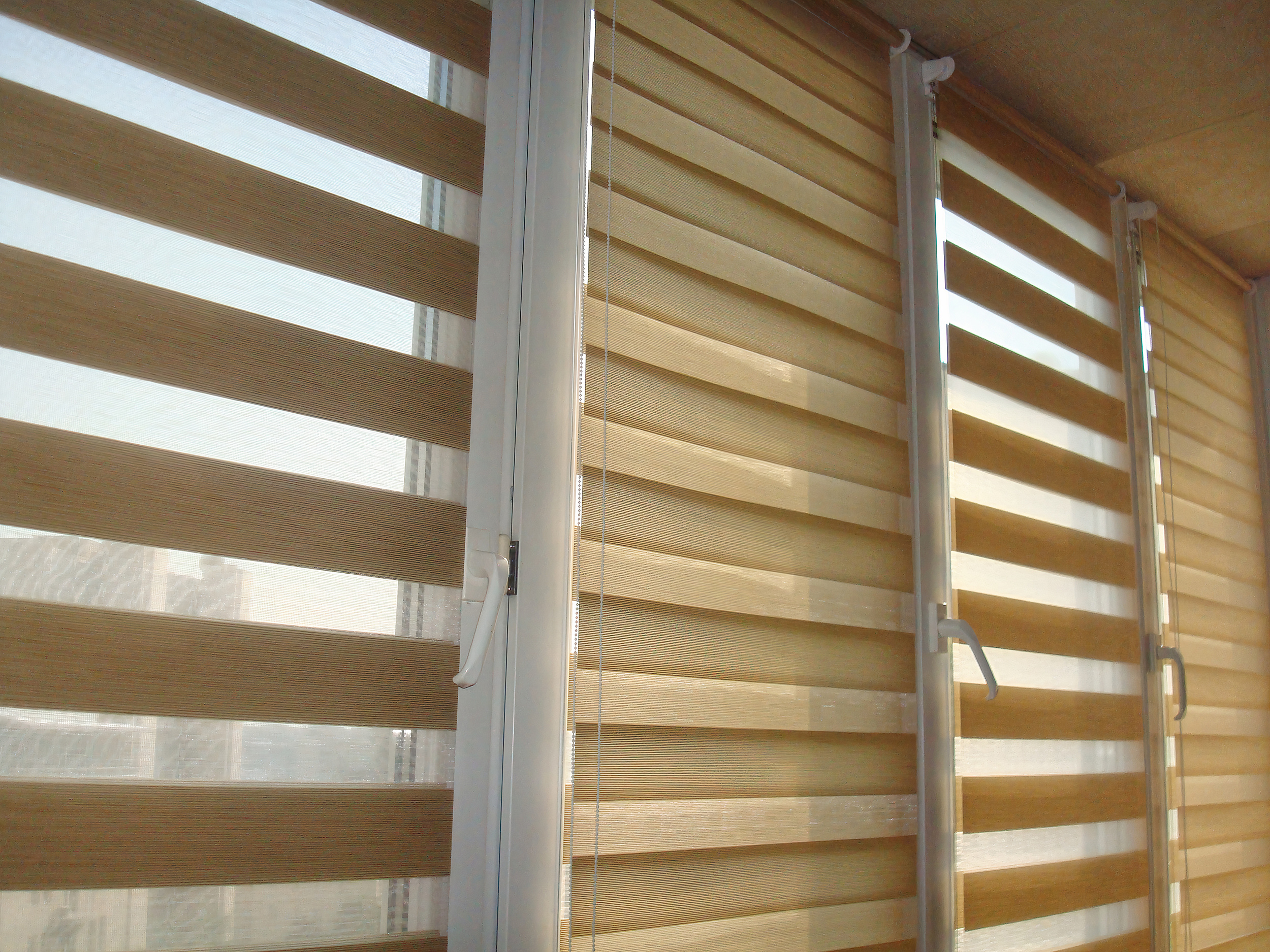
- Roller blinds made from suitable wipeable fabrics for a simple, streamlined finish
- Perfect Fit blinds, where compatible with the window, for a neat solution that sits closely within the frame
- Motorised blinds where convenience, cordless operation or hard-to-reach kitchen windows are important
Fabric-heavy blinds can still work in some kitchens, but their position matters. A blind beside a sink, hob or food-preparation area has very different requirements from one fitted to a dining-area window several metres away.
You can compare the different types of blinds available from The Blind Store before deciding which construction best suits your kitchen.
Why Kitchen Blinds Need To Be Chosen Differently
A blind that works perfectly in a bedroom may be frustrating in a kitchen.
Cooking produces a combination of steam, airborne grease, food splashes and odours. Kitchens also experience frequent changes in heat and humidity, particularly around sinks, kettles, dishwashers and cooking appliances.
That makes four factors particularly important:
Moisture Resistance
Steam and condensation can settle on blinds, especially during colder weather when warm indoor air meets a cool window.
Materials that are easy to wipe and less affected by moisture are generally more practical around sinks and cooking areas. It is also worth considering how well the blind itself can dry and whether its components are suited to a humid environment.
Easy Cleaning
Even a kitchen that looks spotless can create fine cooking residue over time.
A blind with a smooth surface is usually easier to maintain because dust and residue can be wiped away before they build up. Blinds with lots of absorbent fabric, deep folds or intricate textures may require more involved cleaning.
If you cook frequently, maintenance should be part of the buying decision rather than an afterthought.
Privacy Without Losing Daylight
Kitchen windows are often positioned at ground-floor level and may overlook neighbouring properties, gardens, roads or paths.
The ideal kitchen window blinds should let you control visibility without making the room unnecessarily dark.
Adjustable slats are particularly useful here because you can redirect light and reduce sightlines while retaining natural daylight.
Position Around Heat And Cooking Areas
Where the blind sits is as important as the style you choose. A window immediately beside a hob or sink requires a more practical material than a window at the opposite end of an open-plan kitchen.
Before selecting any blind, consider:
- how close it will be to steam and splashes
- whether cooking residue is likely to reach it
- how easily you can access it for cleaning
- whether opening windows will interfere with the blind
- whether nearby handles, taps or cabinets affect operation
These practical details can make a substantial difference to how easy the blind is to live with.
Are Venetian Blinds Good For Kitchens?
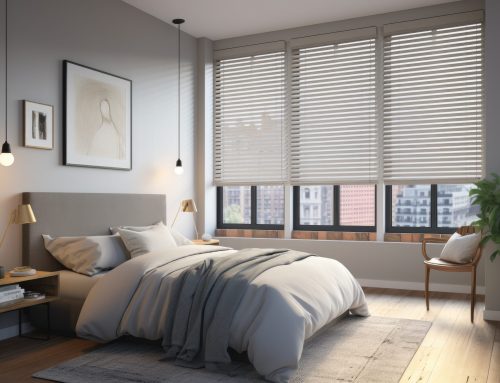
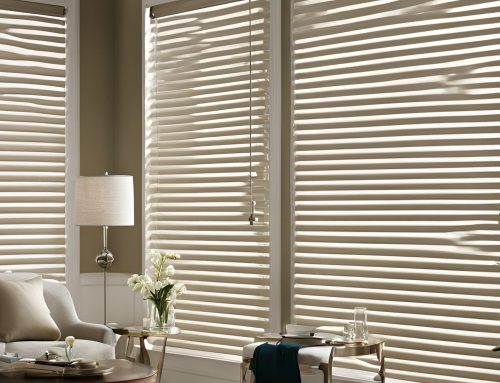
Yes. Venetian blinds can be one of the most practical choices for kitchens, particularly when they are made from an appropriate material.
Their main advantage is control. The horizontal slats can be tilted to manage daylight, glare and privacy without requiring the blind to be fully raised or lowered.
Aluminium Venetian Blinds
Aluminium is well suited to rooms where ease of cleaning matters.
The slats have a smooth surface that can be wiped down, making them useful where airborne cooking residue might otherwise accumulate. Their slim construction also works well in kitchens with a contemporary or uncluttered design.
They are particularly worth considering when you want:
- adjustable privacy
- precise light control
- a surface that is straightforward to wipe
- a relatively minimal window covering
Faux-Wood Venetian Blinds
Faux-wood styles can offer the visual warmth of timber while being a more practical option for certain moisture-prone spaces.
They can work particularly well in kitchens designed around timber cabinets, warm neutrals or traditional interiors where aluminium might look too clinical.
The important point is to check that the specific product is suitable for the conditions around your window rather than assuming every faux-wood blind has identical properties.
Are Roller Blinds Suitable For Kitchens?
Roller blinds can be an excellent kitchen option when you choose the right material.
Their simple construction means there are relatively few places for dust and residue to collect, and the blind can roll neatly away when you want maximum daylight.
For a busy kitchen, look for a fabric or finish specifically suited to regular cleaning and the conditions in the room.
Roller blinds can be particularly effective for:
Avoid choosing purely on colour or pattern. A beautiful fabric that is difficult to maintain may quickly become inconvenient if it sits close to your food-preparation area.
What About Roman Blinds In A Kitchen?
Roman blinds provide a softer, more decorative appearance than Venetian or standard roller blinds. However, whether they are suitable depends heavily on the kitchen layout.
Because Roman blinds use fabric that folds as the blind is raised, they are generally better suited to kitchen dining areas, large open-plan rooms or windows positioned away from heavy cooking and splashing.
For a window directly behind a sink or close to a hob, a wipeable blind will often be the more practical choice.
If your kitchen includes a dining or seating area where softness and interior style matter more than resistance to cooking residue, made-to-measure Roman blinds may still be worth considering.
Should You Choose Light Or Dark Kitchen Blinds?
There is no single correct colour, but the way the kitchen is used can guide the decision.
Lighter blinds can help a compact kitchen feel bright and open, particularly where natural daylight is limited. Whites, creams, greys and pale neutrals also work easily alongside many cabinet and worktop finishes.
Darker shades can create contrast and may suit larger kitchens with plenty of daylight. However, residue or water marks may be more noticeable on some dark, smooth surfaces.
Before deciding, look at samples in the kitchen itself. Artificial showroom lighting and online photographs cannot always show how a colour will react to the natural light in your room throughout the day.
Choosing Kitchen Blinds For Privacy
Privacy requirements often change from morning to evening.
A kitchen overlooking a private back garden may need very little daytime screening. A street-facing kitchen window may require considerably more.
For flexible privacy, Venetian blinds are useful because the slats can be angled without completely covering the window.
If you prefer roller blinds, consider when privacy is actually needed. You may be happy to keep the blind raised during daylight hours and lower it fully after dark.
For windows where privacy is important throughout the day, the blind should be assessed alongside the room's orientation and neighbouring sightlines rather than selected solely for appearance.
Are Motorised Blinds Practical In Kitchens?
Motorisation can be useful in a kitchen, although it is not essential for every window.
It becomes particularly practical for large, high or difficult-to-reach windows, including windows positioned behind deep worktops or in extensions where manual operation is awkward.
Motorised operation also means the blind can be adjusted without repeatedly touching the fabric or mechanism while cooking.
The Blind Store supplies Somfy-powered motorised blinds in Limerick, including options for homeowners who want convenient control as part of a wider smart-home setup.
Common Mistakes To Avoid When Choosing Kitchen Blinds
Kitchen blinds are often chosen at the end of a renovation, when most attention has already gone into cabinets, flooring and worktops. That can lead to decisions based primarily on appearance.
A few practical checks can prevent disappointment.
Choosing An Absorbent Material Too Close To Cooking Areas
A textured fabric may look attractive, but it can be harder to maintain if regularly exposed to steam, smells and airborne cooking residue.
Think about the exact position of the blind before choosing the material.
Ignoring How The Window Opens
Tilt-and-turn windows, inward-opening windows and windows with prominent handles can affect which blind systems will work comfortably.
Check how the blind and window will operate together.
Forgetting About Cleaning Access
Consider whether you can easily reach the entire blind.
A supposedly easy-clean blind is less convenient if furniture, sinks or deep countertops make half of it difficult to access.
Putting Style Ahead Of Light Control
Kitchen lighting changes significantly throughout the day.
Direct sunlight can cause glare on worktops and screens, while completely blocking a window can make food-preparation areas unnecessarily dark.
The best solution should balance design with the way daylight actually enters the room.
A Simple Checklist For Choosing The Best Kitchen Blinds
Before making a final decision, run through this practical assessment:
If a blind performs well against those practical requirements and suits the appearance of the room, it is far more likely to remain a good choice long after the kitchen renovation is finished.
Frequently Asked Questions
What Are The Easiest Blinds To Clean In A Kitchen?
Smooth, non-absorbent surfaces are generally easiest to maintain. Aluminium Venetian blinds and suitable faux-wood blinds are popular practical choices because individual slats can be wiped. Certain roller blind materials can also offer straightforward maintenance.
What Are The Best Blinds For A Kitchen Sink Window?
For a window immediately behind a sink, prioritise moisture resistance and easy cleaning. Venetian blinds made from suitable materials or a wipeable roller blind are usually more practical than absorbent fabric designs.
Do Kitchen Blinds Need To Be Waterproof?
Not every kitchen blind needs to be fully waterproof, but moisture resistance becomes increasingly important near sinks, kettles and other sources of steam or splashing. Always check whether the specific blind material is suitable for its intended position.
Are Venetian Blinds For Kitchens Easy To Maintain?
Venetian blinds can be very practical because their slats can be wiped individually. Regular light cleaning is usually easier than allowing grease and dust to build up over a long period.
Can I Use Fabric Blinds In A Kitchen?
Yes, depending on the room and the position of the window. Fabric blinds are generally more suitable away from direct cooking residue, heavy steam and splashes. They can work particularly well in open-plan kitchen dining areas.
Should Kitchen Blinds Provide Full Privacy?
That depends on the window. Ground-floor or street-facing kitchens may need stronger privacy control than windows overlooking a private garden. Adjustable blinds can be useful when you want privacy without completely blocking daylight.
See Kitchen Blind Materials Before You Decide
Choosing kitchen blinds is easier when you can compare materials based on more than appearance. Think about where the window is positioned, how often you cook, how much privacy you need and how willing you are to clean the blind regularly.
For many busy kitchens, a wipeable Venetian or roller blind will offer the best balance of practicality, light control and straightforward maintenance. In larger kitchen-dining spaces, other styles may work equally well when positioned away from moisture and cooking residue.
If you are choosing kitchen window blinds in Limerick, you can visit our showroom to compare blind styles, materials and working displays in person. The team can also help you assess which option is most appropriate for the position and day-to-day demands of your kitchen.