Best Blinds for Living Rooms: Light Control, Comfort and Style
The best blinds for living rooms are the ones that balance daylight, privacy, glare control and comfort without making the room feel closed in.
For many homes, that means choosing a blind that can adapt throughout the day rather than simply being open or shut. Roman blinds can add softness and warmth, Venetian-style blinds give precise control over light, and plantation shutters can offer flexible privacy while becoming part of the room's overall design.
The right option depends less on which blind is "best" overall and more on how your living room is used, where the windows face, and what you need from them at different times of day.
A good living room blind should give you enough flexibility to change the feel of the room as daylight changes, balancing natural light, television glare, and evening privacy.
What Makes A Good Living Room Blind?
A good living room blind should give you enough flexibility to change the feel of the room as daylight changes.
Living rooms are rarely used for one purpose. The same space might be bright and social during the afternoon, used for television in the evening and overlooked by neighbouring homes after dark.
That means the most useful window blinds for living rooms tend to offer a combination of:
- controllable natural light
- protection from distracting glare
- privacy when needed
- a finish that complements the room
- comfortable levels of brightness throughout the day
- simple day-to-day operation
If you are replacing existing blinds, start by identifying the problem you want the new ones to solve. A blind chosen mainly to reduce TV glare may be very different from one chosen to soften a large bay window or increase privacy from the street.
Start With The Direction Of The Light
Window direction has a major effect on how a living room feels.
A room that gets strong direct sun can become uncomfortably bright at certain times, while a darker room may need window coverings that preserve as much natural light as possible.
Living Rooms With Strong Direct Sunlight
If sunlight regularly hits televisions, laptops, polished surfaces or seating areas, choose blinds that allow you to reduce glare without necessarily darkening the entire room.
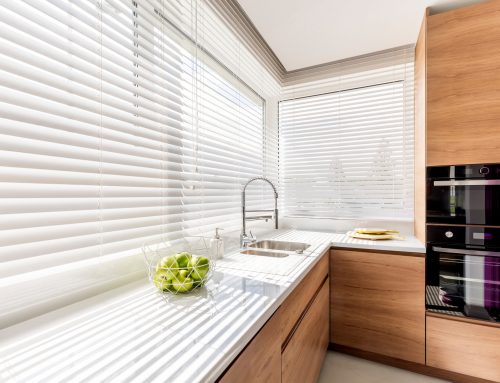
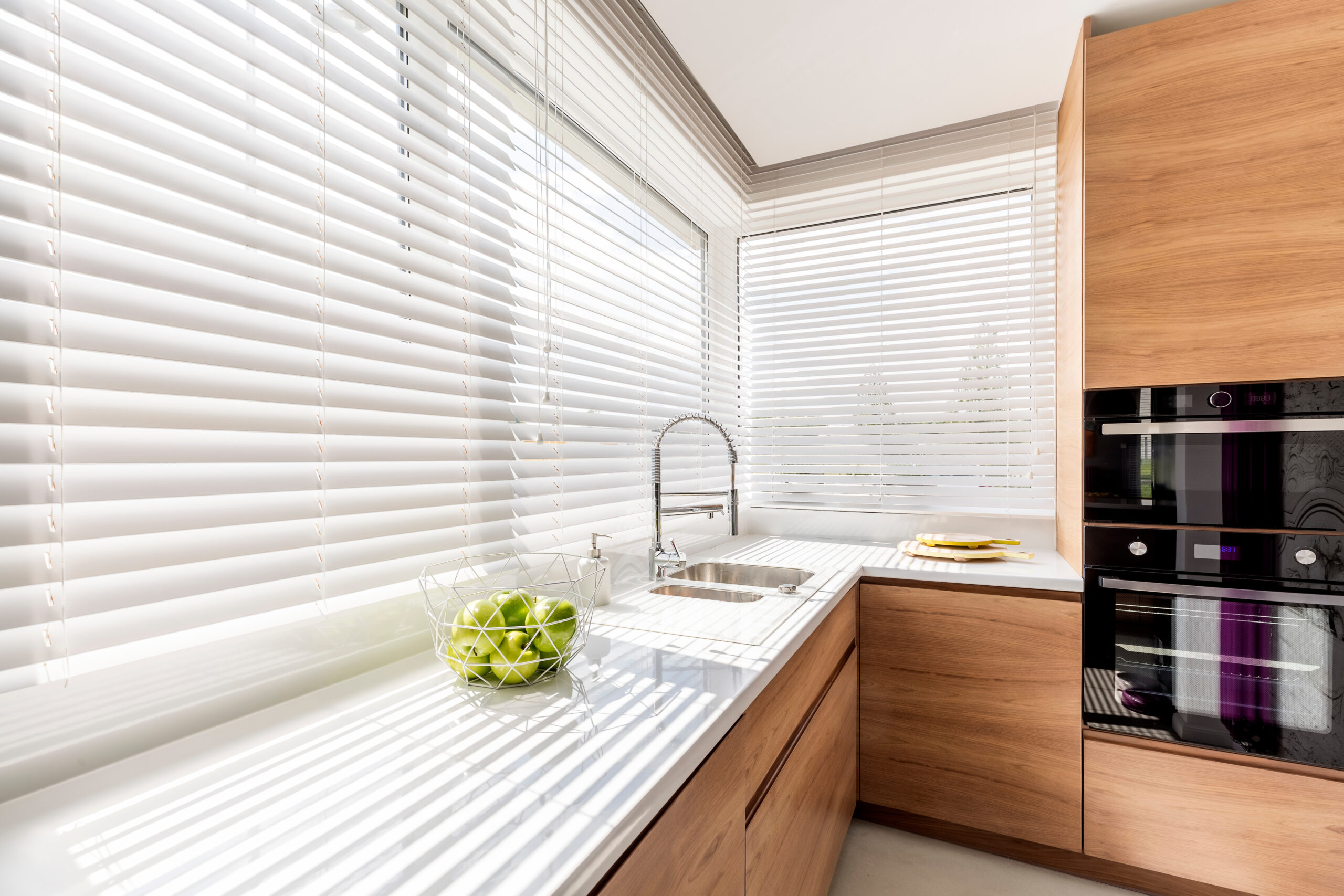
Adjustable slats can be particularly useful because they let you redirect light rather than blocking it completely.
A blind that can be partially lowered is also useful where glare affects only part of the window.
Naturally Darker Living Rooms
In a room that already receives limited daylight, avoid automatically choosing a heavy or highly opaque window covering.
The priority may be to keep the window as open as possible during the day while still having privacy available in the evening.
Lighter colours and blinds that stack or raise neatly can help preserve the sense of space around the window.
How To Reduce Television Glare Without Making The Room Too Dark
TV glare is one of the most common practical issues in living rooms.
The mistake is assuming that the solution has to be a blackout blind. In many cases, the better approach is simply to control the angle or intensity of direct light.
If the sun crosses the screen for only an hour or two each day, a blind with adjustable positioning can help you block the problem area while keeping the rest of the room bright.
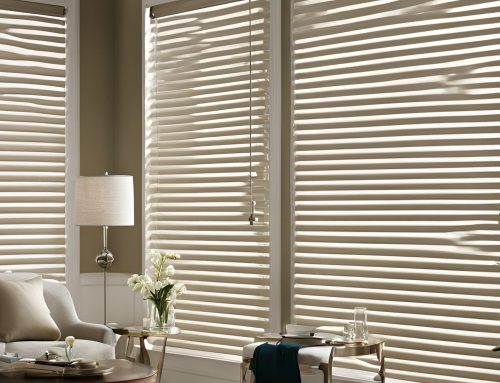
For example, Venetian-style blinds allow the slats to be tilted so that daylight still enters the room but direct reflections are reduced.
Plantation shutters can work in a similar way because their louvres can be adjusted independently from simply opening or closing the entire covering.
If you mainly watch television after dark, glare may be less important than privacy, so it is worth considering when the issue actually occurs before choosing a more opaque blind than you need.
Choose Privacy Based On The Window, Not Just The Room
Privacy needs vary considerably from one living room to another.
A front room facing a footpath or road usually requires more daytime privacy than a rear living room overlooking a private garden.
For street-facing rooms, adjustable blinds or shutters can be useful because they let you reduce direct sightlines while still allowing natural light into the space.
For first-floor apartments or homes with large windows, you may need a different balance between privacy and openness.
Ask yourself:
- Can people see directly into the room during the day?
- Does the privacy problem become worse after lights are switched on?
- Do you need full privacy or only partial screening?
- Is the lower part of the window more exposed than the upper part?
Thinking about those questions usually leads to a better choice than simply selecting a blind based on appearance.
Roman Blinds Can Add Softness To Living Rooms
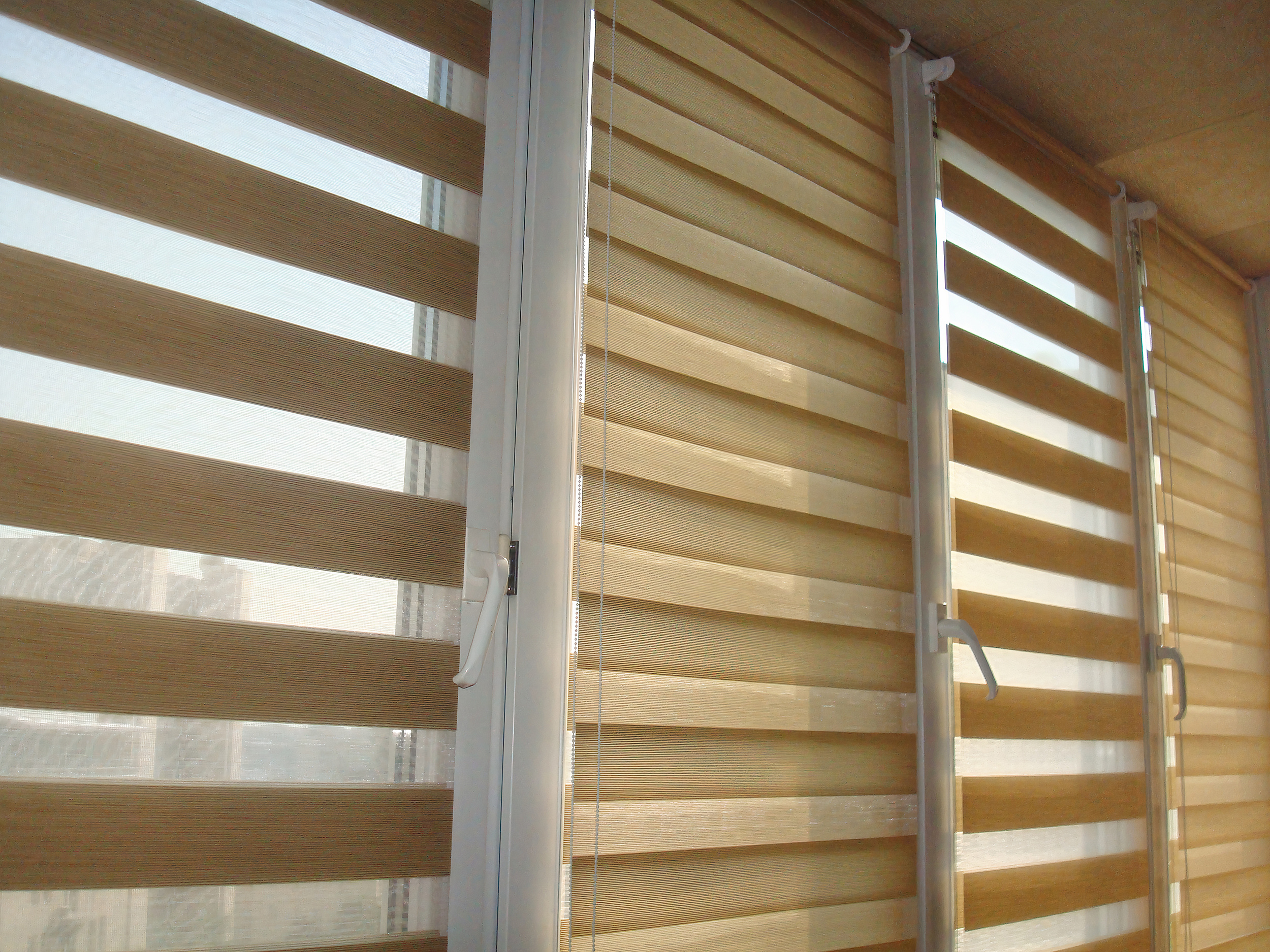
Roman blinds are often well suited to living rooms because their fabric construction introduces softness and texture.
Rather than creating a highly minimal or architectural look, they can help a room feel warmer and more furnished, particularly alongside upholstered seating, rugs and curtains.
They can work especially well where the window itself is a visual feature and you want the blind to contribute to the room's colour scheme.
The Blind Store offers made-to-measure Roman blinds in Limerick in a range of fabrics and configurations.
Roman blinds are particularly worth considering when:
Their main limitation is that they generally provide less precise light adjustment than slatted blinds or shutters. When lowered, they cover a larger section of the window rather than redirecting light through adjustable louvres.
Plantation Shutters Offer Flexible Light And Privacy
Plantation shutters can work particularly well in living rooms where privacy and daylight need to be adjusted throughout the day.
Their horizontal louvres can be tilted to control visibility and direct light, which makes them useful for front-facing rooms and windows exposed to strong sunshine.
They also create a more architectural finish than fabric blinds because the shutter becomes a visible part of the window design.
For homeowners considering plantation shutters for living rooms, The Blind Store's current range includes adjustable shutter options designed around light and privacy control.
Shutters can be particularly suitable when:
- the window is an important design feature
- you want adjustable privacy
- glare changes during the day
- you prefer a structured rather than fabric-led look
- you want a window covering that remains visually prominent when closed
They may be less suitable if your main priority is a soft, textile-heavy interior, in which case Roman blinds or curtains may be more appropriate.
When Adjustable Blinds Make More Sense
In rooms where light changes significantly during the day, adjustability can matter more than decoration.
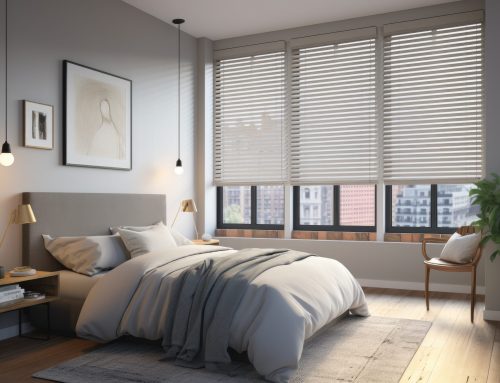
Venetian blinds are a good example. Their slats allow you to fine-tune how much light enters the room rather than making a simple open-or-closed decision.
This can be useful where:
- the television sits opposite or beside the window
- strong afternoon sunlight enters the room
- neighbouring properties overlook the space
- you want daylight without full visibility from outside
A more adjustable blind can sometimes solve several problems with one window covering.
The Blind Store's full blinds range includes multiple styles that can be compared according to light control, privacy and room use.
Should Living Room Blinds Be Light Or Dark?
Colour should support both the interior design and the way the room handles natural light.
Light-coloured blinds can help smaller or darker living rooms feel brighter and less enclosed. Neutral shades also tend to sit comfortably alongside changing furniture and wall colours over time.
Darker blinds can provide contrast and create a stronger visual feature, particularly in larger rooms or interiors with bold finishes.
However, do not choose colour from a screen alone.
Fabric, paint and flooring can all look different depending on natural light, and the same blind can appear noticeably warmer or cooler at different times of day.
If possible, compare samples inside the room and look at them in both daylight and evening lighting.
Think About Comfort As Well As Appearance
Window coverings can affect how comfortable a living room feels.
Large expanses of glass can make rooms feel exposed, overly bright or visually cold, particularly in the evening. Introducing blinds, shutters or layered window treatments can make the room feel more settled.
Some window coverings can also provide an additional layer between the room and the glass, although the level of thermal benefit varies considerably by product, material and installation.
If thermal comfort is important, it is worth discussing the specific construction rather than assuming that every blind will provide the same effect.
Can You Combine Blinds And Curtains In A Living Room?
Yes. Combining blinds and curtains can be useful when you want different functions from each layer.
For example, a blind may handle daytime privacy and glare, while curtains add softness, colour and a more enclosed feeling in the evening.
This works particularly well in larger living rooms where a single window treatment might look too minimal.
Layering can also give you more control:
- blind open, curtains open for maximum daylight
- blind adjusted for daytime privacy
- curtains drawn for evening comfort
- both closed when stronger screening is needed
The important point is to avoid creating unnecessary bulk around the window. The blind and curtain should each have a clear purpose.
What About Motorised Blinds In A Living Room?
Motorised blinds can be useful in living rooms with wide glazing, several windows or hard-to-reach areas.
They are particularly practical where several blinds need to be adjusted regularly as the sun moves across the room.
Motorisation can also help create a more consistent routine. Rather than manually changing several window coverings, compatible systems can make adjustment more convenient.
The Blind Store offers Somfy-powered motorised blinds as part of its wider blinds range.
For a small, easily accessible living room window, manual operation may be perfectly adequate. Motorisation is most useful where it solves a genuine accessibility, convenience or multi-window problem.
Avoid These Common Living Room Blind Mistakes
The most expensive-looking blind is not automatically the best one for the room.
A few practical mistakes are particularly common:
Choosing For Style Before Testing The Light
A fabric may look perfect in isolation but perform poorly when strong sunlight hits the window.
Check when glare occurs and how much light you actually want to retain.
Using An Overly Heavy Blind In A Dark Room
If natural daylight is already limited, a bulky or opaque covering can make the living room feel smaller.
Consider how much of the glass remains visible when the blind is fully raised.
Ignoring Night-Time Privacy
A room that feels private during the day can become much more exposed once interior lights are switched on.
Assess privacy from outside after dark if this is a concern.
Treating Every Window The Same
Bay windows, patio doors and narrow side windows may each need a different solution.
Matching does not always mean every opening has to use an identical blind.
Forgetting Furniture Placement
Sofas, televisions, radiators and sideboards can affect how practical a blind is to reach and operate.
Think about the finished room layout before confirming measurements and controls.
A Practical Checklist Before You Choose
Before deciding on living room blinds, consider these questions:
A blind that answers those practical questions is more likely to work well long after the initial design decision.
Frequently Asked Questions
What Are The Best Blinds For Living Rooms With A TV?
Blinds that provide adjustable light control are often the most practical. Venetian blinds and shutters can help redirect direct sunlight and reduce screen glare without completely darkening the room.
What Blinds Give Privacy Without Blocking Light?
Adjustable slatted blinds and plantation shutters are useful because their angle can be changed to limit outside visibility while allowing natural light to enter.
Are Roman Blinds Good For Living Rooms?
Yes. Roman blinds are particularly well suited to living rooms where warmth, fabric and interior style are priorities. They work best when you do not need the same level of fine light adjustment offered by slatted blinds.
Are Plantation Shutters Suitable For Front Living Rooms?
They can be a strong option for front-facing living rooms because adjustable louvres allow you to manage privacy and daylight throughout the day.
Should Living Room Blinds Match The Walls?
They do not have to. Matching or similar tones can create a calm, understated appearance, while contrasting blinds can make the window a stronger design feature. Consider the entire room rather than the wall colour alone.
Should I Choose Blinds Or Curtains For A Living Room?
It does not always need to be one or the other. Blinds are useful for precise light and privacy control, while curtains can add softness and visual warmth. In some rooms, combining both provides the most flexible solution.
Choose Around How You Actually Use The Room
The best blinds for living rooms should make the space easier and more comfortable to use.
If afternoon glare is the main problem, prioritise adjustable light control. If the room faces a busy street, start with privacy. If the window is an important part of the interior, pay closer attention to fabric, colour and how the blind looks when raised and lowered.
There is rarely one blind style that is automatically right for every living room.
If you are comparing living room blinds in Limerick, seeing full-size products can make the differences in light control, fabrics and finishes much easier to understand. You can visit The Blind Store's Limerick showroom to compare Roman blinds, plantation shutters and other window coverings in person.